

Nachdem bereits die ersten Reviews im Netz aufgetaucht sind und auch wir unseren passenden Artikel veröffentlicht haben, flatterte nun endlich die offizielle Pressemeldung ein: Intel präsentiert den 0,09 µm Northwood-Nachfolger, Codename Prescott. Mehr über die Leistung der Modelle 2.8E, 3.0E und 3.2E in unserem ausführlichen Test.
"Intel Corporation is delivering four new processors (formerly codenamed Prescott) that are built on the company´s industry-leading, high-volume 90-nanometer (nm) manufacturing technology. These processors are among six new offerings in Intel´s line of desktop chips, bringing new features and high performance to a wide range of PC users, from mainstream consumers and businesspeople to gaming enthusiasts and computer power users.
Intel´s 90 nm (a nanometer is one-billionth of a meter) process technology is the most advanced semiconductor manufacturing process in the industry, built exclusively on 300 mm wafers. This new process combines high performance, low-power transistors, strained silicon, high-speed copper interconnects and a new low-k dielectric material. This is the first time all of these technologies have been integrated into a single manufacturing process.
Intel Pentium 4 processors built on the 90-nm process retain the multitasking capabilities of Hyper-Threading (HT) Technology, and include new features such as enhanced Intel NetBurst microarchitecture, a larger, 1 MB Level 2 (L2) cache and 13 new instructions."
Ein mobiles Klimagerät ist ein nützlicher Helfer in den heißen Sommermonaten. Es verschafft schnelle Abkühlung, kann die Luft entfeuchten und...
Toshiba Electronics Europe kündigt mit der M12-Serie neue 3,5-Zoll-Nearline-HDDs für Hyperscaler und Cloud Service Provider an, die große Rechenzentren betreiben....
Mit der PNY CS3250 M.2 NVMe PCIe Gen5 x4 SSD erweitert PNY sein Portfolio im High-End-Segment um ein Modell, das...
In einer heute veröffentlichten Videoankündigung hat Jack Huynh, SVP und GM der Computing and Graphics Group bei AMD, den neuen...
Die Sicherung von Daten sollte für Unternehmen selbstverständlich sein, doch zu oft wird sie auf der Prioritätenliste nach unten verschoben,...
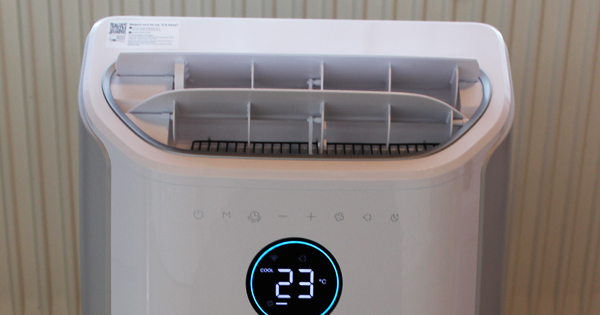
Heute testen wir die mobile Klimaanlage Dreo AC516S, die für Räume von bis zu 40 m² geeignet ist. Das Gerät kann nicht nur kühlen, sondern beispielsweise auch die Luft entfeuchten. Mehr dazu im Test.
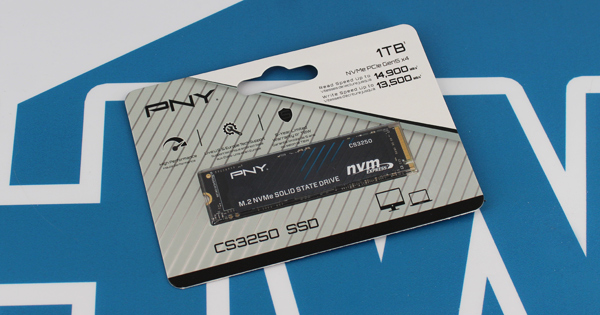
PNY bietet mit der CS3250 eine Familie von PCIe Gen5 SSDs an, die mit Speicherkapazitäten von bis zu 4 TB erhältlich sind. Die Drives erreichen bis zu 14.900 MB/s lesend. Wir haben das 1-TB-Modell getestet.