

Nachdem bereits Entwickler VIA mit Advanced Validation Labs (AVL) zusammenarbeitet und ein Validations-Programm für DDR400 Module gestartet hat, zieht nun auch SiS nach. Das aktuelle Programm bezieht sich auf den SiS 648FX Chipsatz und soll vor allem auch Systemintegratoren bei der Wahl der richtigen Speichermodule helfen. Folgend ein kleiner Ausschnitt aus der offiziellen Pressemeldung (Englisch)...
"Fountain Valley, CA (August 19, 2003) -Advanced Validation Labs® (AVL), a leading validation and testing services company and Silicon Integrated Systems Corporation® (SiS), a leading core logic chipset supplier, today unveiled the SiS648FX’s successful compatibility on AVL’s DDR400 module validation.
AVL’s certified validation services, aiming primarily at DRAM manufacturers and system integrators, verified the DDR400 PC3200 modules against the SiS648FX reference platform. The SiS-certified system validation program involves the testing of memory modules using a SiS reference platform. The validation test process includes the application of different voltage and thermal ranges to further stress memory modules under test. The DRAM modules by Kingston, Micron and Samsung and many others were used in the test.
As validated by AVL, the SiS648FX chipset fully brings forth the performance of DDR400 and meets the DDR specification standard set by JEDEC, which makes the 648FX the best choice in the market..."
BenQ erweitert seine MOBIUZ-Serie um den EX271QMZ. Der 26,5 Zoll große Gaming-Monitor setzt auf ein QD-OLED-Panel der dritten Generation mit...
Mit der E100 1 TB SSD hält Crucial eine preisorientierte NVMe-SSD mit PCIe 4.0 x4 bereit. Das M.2-2280-Laufwerk soll laut...
Im zurückliegenden Monat gab es wieder einige spannende Themen im Bereich Newsmeldungen sowie interessante Artikel und Produkttests. Folgend möchten wir...
Razer erweitert seine Kiyo-Serie um die Kiyo V2 Pro, eine 4K-Webcam für Gamer, Streamer und Content Creator. Die Kamera nimmt...
Wer eine Leiterplattenfertigung anfragen möchte, stellt sich früher oder später dieselbe Frage: Warum dauert ein Angebot so lange, und warum...
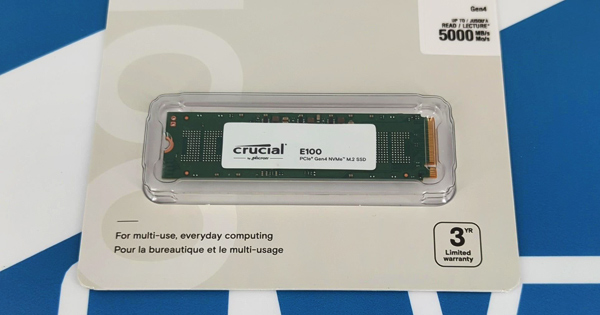
Die E100-SSD von Crucial basiert auf einem PCIe Gen4 Interface und QLC-Flashspeicher von Micron. Die Serie zielt auf Ein- und Umsteiger in die SSD-Welt ab. Wir haben uns das 1-TB-Modell im Test angesehen.
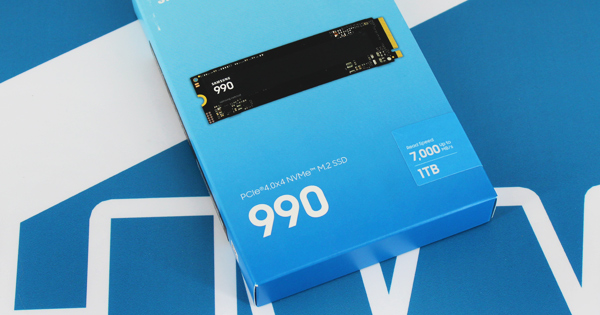
Mit der SSD-990-Familie stellt Samsung eine neue Serie von SSDs für Einsteiger vor. Wie sich die Kombination aus PCI Express Gen4 und QLC-Flashspeicher in der Praxis schlägt, klären wir am 1-TB-Modell.